
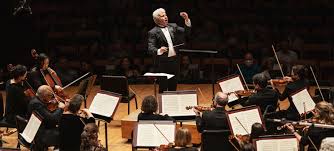
From moments of quiet reflection to overwelming speciticals, Classical music has played a crucial role in shaping the emotional language of film.
Historical Context
Classical music was the first type of music to be used in films dating back to the early 1900s used to create emotion and mood to bland silent films and it changed everything showing the chemisty between films and music. Before music in films was seen as background noise to fill in the silence but in the film of 1908 – The Assassination of the Due de Guise, classical music was used to create emotion and this is a historic moment for film and music and a changing point in filmmaking as the birth of mordern film score

Emotional Function
Classical music is renowned for amplifiying emotion in films since the early 1900s. It increases emotion in films beyond what visuals can do which can create empathy with characters’ inner feelings and also build tension and release though rhythm and dynamics. Classical music can also signal importance and gravity of a moment adding a sense of seriousness to a moment. The music can create irony or contrast when paired with violent or disturbing scenes and can guide an audience on how to feel, even without dialogue.
Contrast and Irony
Classical music is often used for not only seriousness but also the complete opposite, comedy. For example, classical music used to contrast funny moments with intence music but it’s also used for violent and disterbing scenes to create emotional distance or uneasy in an audence and forces them to think, not just feel. An example of directors that use classical music eseptionaly well are Kurbrick, Scorsese, and Tarantino
An Example of Classical Music in a Film
The “Dawn of Man” scene – 2001: A Space Odyssey
The dramatic music used in the scene marks a moment of evolutionary breakthough as the ape realizes he can use the bone as a weapon/tool. The music’s sudden power and rise mirrors the leap in intelligence and realisation and the music evevates a simple action into something mythic and monumental. The non-diagetic music used shows the music is for the audence. The music starts exactly at the moment of realisation syncing with the idea click and it overpowers the natural sounds making it feel unreal and symbolic. Overall, it’s a near perfect use of classical music in a film.

Conclusion
Overall, classical music was the first music to be used in film and in my opinion the most important type of music to be used in film history. It creates endless emotions and can be used in a vast range of scenes to create fear, happyness, anger, horror, awe and much more and classical music as cemented itself one of the greatest storytelling tools in filmmaking history


 Level 3 Photography & Film
Leave a comment