
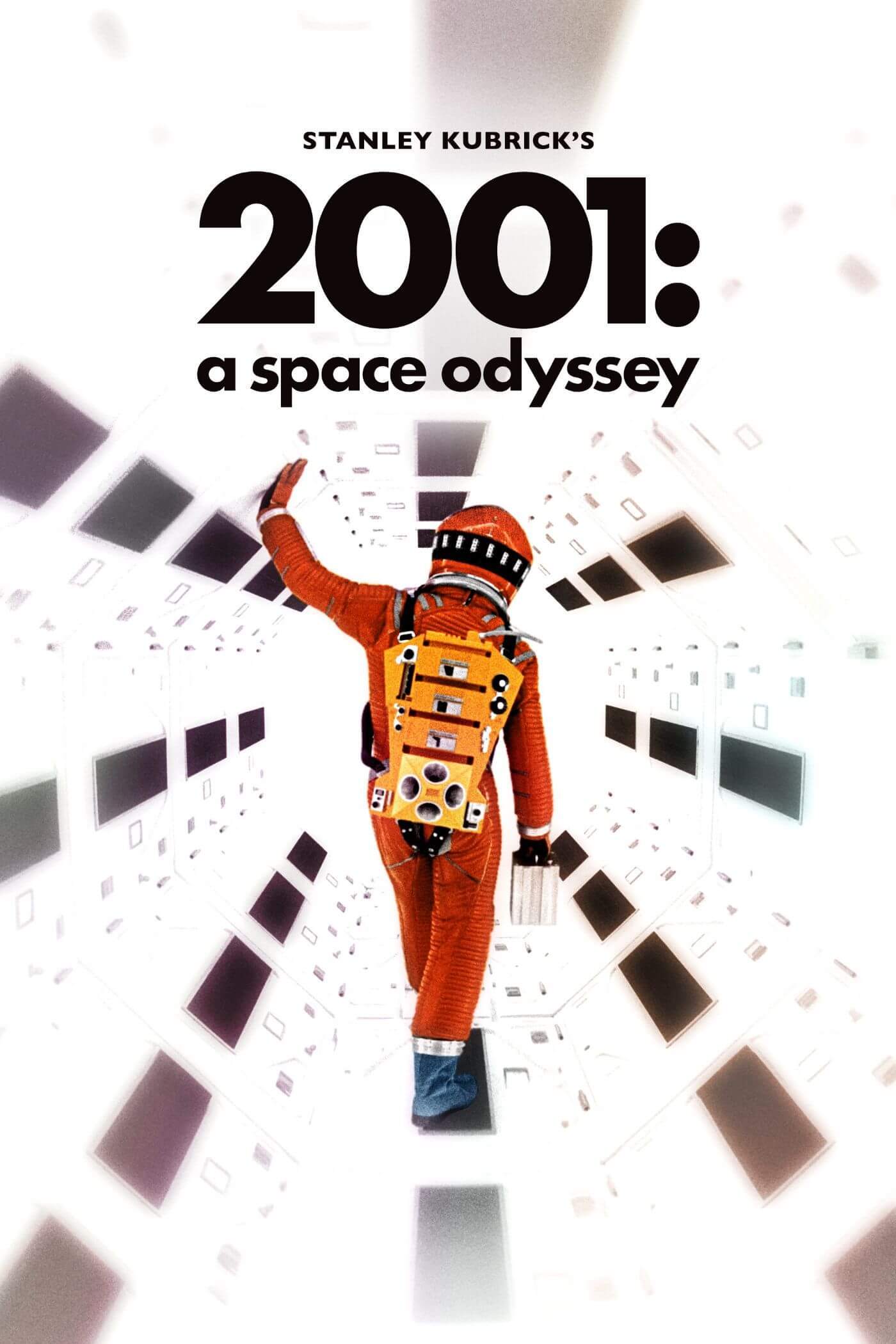
Stanley Kubrick was an American film director and completely revolutionized filmmaking from the 50’s to the 90’s with legendary films like; “The Shining”, “Full Metal Jacket” ,and the “2001: A Space Odyssey”. Stanley was born on the 26 July 1928 in New York, where he was fostered by his physician father. Stanley struggled in school, not because of his inteligence, but because school didn’t interest him. He constantly felt out of place, like he didn’t belong, but that was until he got introduced to photography at the age of 13 when his father bought his first camera. This changed everything for Kubrick, he taught himself the basics and techniques of photography, and over 4 years he got one of his photos featured in a magazine, it was a photo of a newspaper seller reacting to FDR’s death.
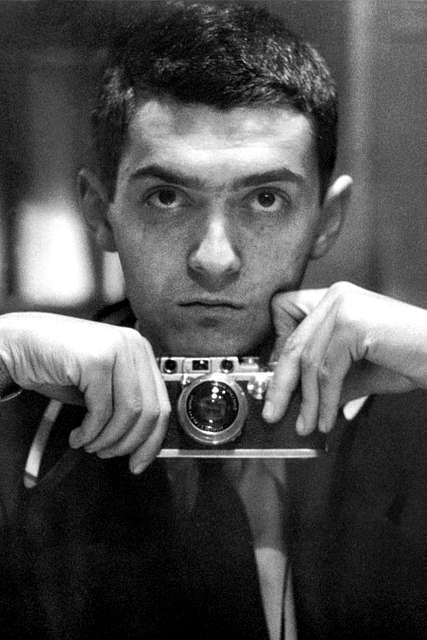

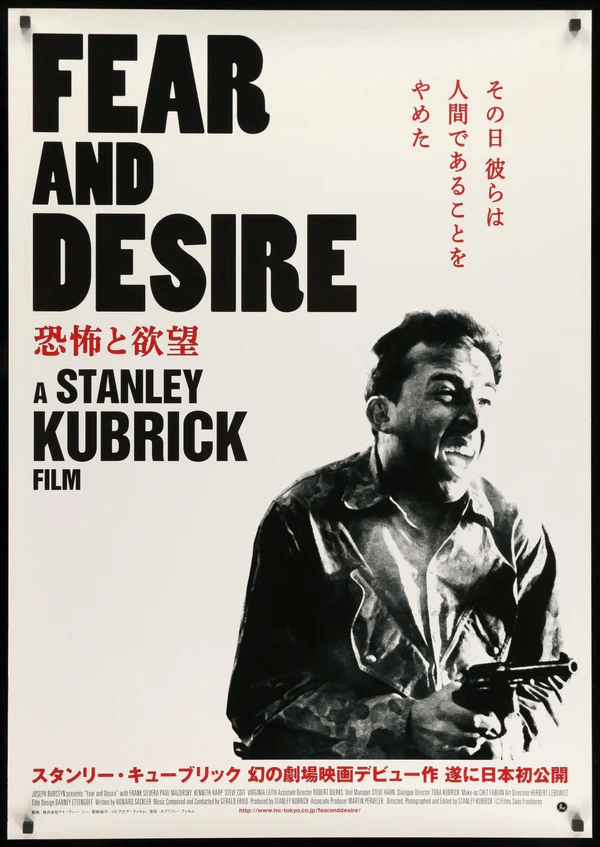
When Stanley was 17, he was hired as a staff photographer for Look magazine, where he took photos of street life, people, and emotions using realism where he focused on storytelling through single images. With this job, he developed strong skills in composition and lighting. He worked there until he was 22. which was the time he began filmmaking and this is where he really took off. He used his savings from his job to fund his first films Day of the Fight (1951) and Flying Padre (1951). He learnt the art of film making all by himself, using his vision to drive his work where he did every aspect of each film on his own (camera, editing, sound). Then he directed his first feature film,. Fear and Desire (1953) which was unsuccessful and made Stanley lose lots of money but this only motivated him. He took a strong interest in full creative control where a director controls every detail in film making which was one of his main skills as a director along side prioritizing visual storytelling over dialogue and his reputation of being a perfectionist director.
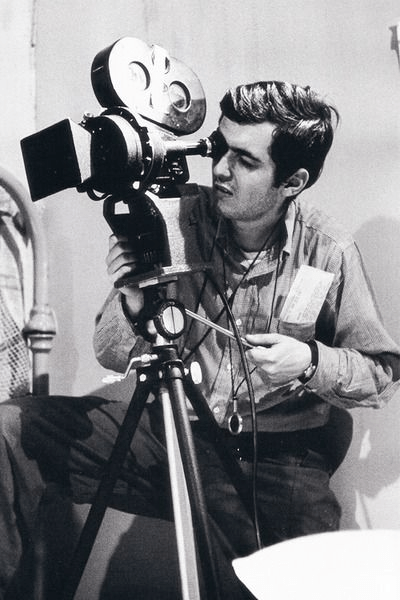
Kubrick had a huge impact of filmmaking for example, he proved directors could control everything with full creative control over script, edit, sound and marketing. Where he acted as director, producer, co-writer, and editor on most of his films which was a completely new concept at the time. He also rarely worked with studios which was unusual for Hollywood at the time. He chose his own team, actors, and even marketing strategies and proved that a director could be the single guiding vision behind a film. His long-term impact of film would be inspiring famous directors like Christopher Nolan, David Fincher, and Denis Villeneuve, he also helped in shifting the power from studios to directors in the hollywood era. Also his way of priotizing the story and his perfectionism made it acceptable for directors to take years between films to perfect them.
![The Shining [DVD] [1980]: Amazon.co.uk: Jack Nicholson, Shelley Duvall, Danny Lloyd, Scatman Crothers, Barry Nelson, David Baxt, Lia Beldam, Lisa ...](https://m.media-amazon.com/images/I/81nwnHTcV2L.jpg)
Kurbrick completely changed the world of film in numerous ways. For example, he showed that directors have creative freedom and that directors could choose themes, style, and tone without studio interference also his style of taking a longer time to produce a movie introduced unconventional storytelling and slower pacing. Also Kurbricks work led to more original and experimental films leading to directors taking more risks with ambiguous endings and complex ideas and films focused on ideas and atmosphere not just plot.

2001: A Space Odyssey (1968) – “Dawn of Man” bone-to-satellite scene
Cinematography
Cinamatography takes a big role in this scene, especially in the use of wide shots to make humans look small and insignificant and the slow controlled camera movements creating a documentary feel making the scene more dramatic. Also amazing how the match cut from bone to satellite visually jumps thousands of years
Editing
The match cut is one of the most famous edits in cinema history. It connects primitive tools to advanced technology and shows human progress without dialogue or exposition. The bone and satellite are matched by shape and movement which forces the audience to make the connection themselves
Sound
The classical music is powerful and shows the sense of evolution and proudness in our acomplishments as a living being. The music gives the moment a mythic, epic tone and the silence before the music builds anticipation
Themes
Some themes could be asocated with the scene like
• Suggests technology is a weapon, not just progress
• Links violence to human advancement
• Raises questions about whether humans truly evolve morally
How Kubrick will Influence my Photography Project
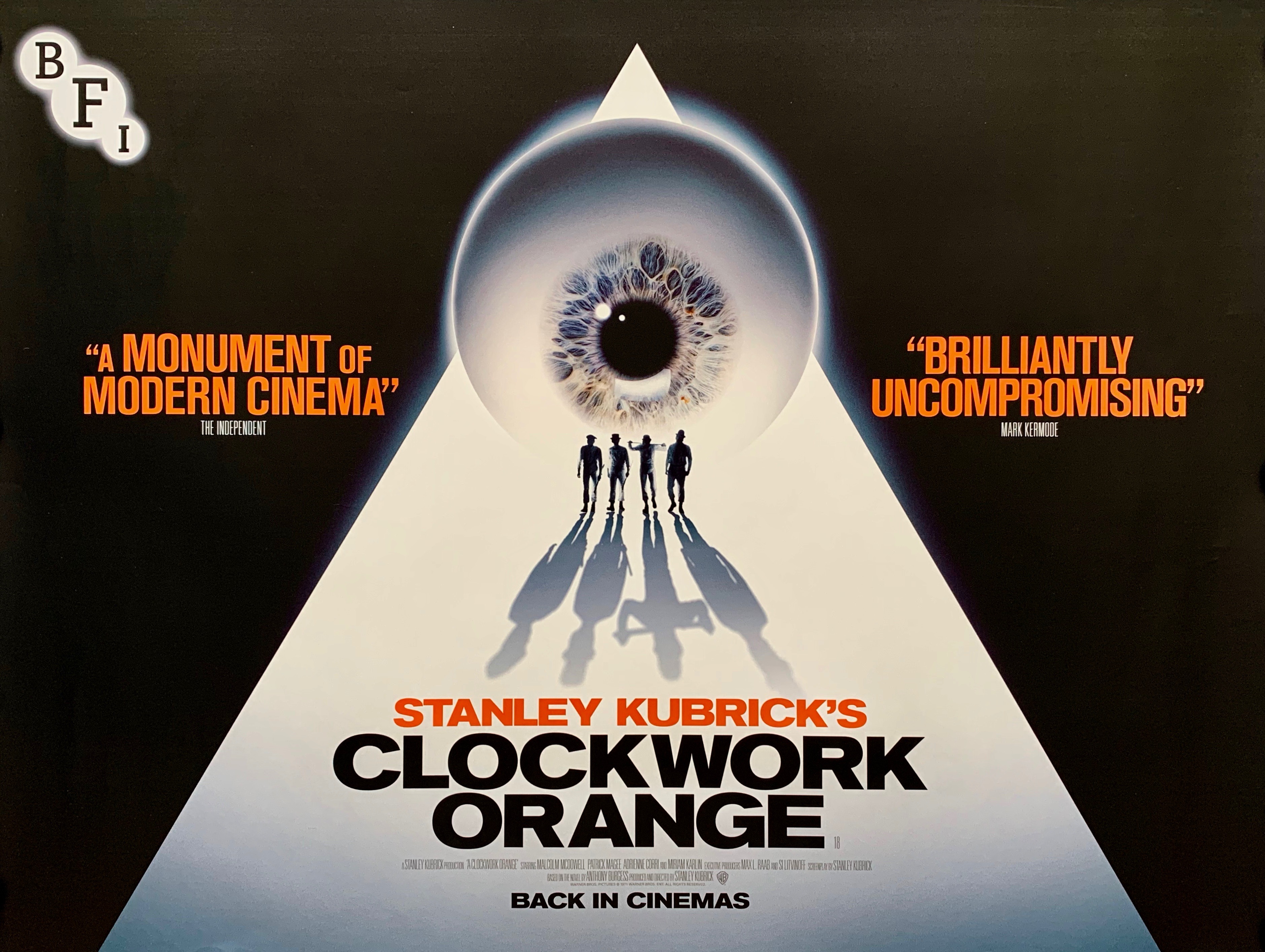
I am planning on using multible types of techniques in my photography inspired by Kubrick. For example, using central framing & symmetry which puts a subject dead centre for control and balance and also another one of his techniques of using high contrast lighting showing the deep blacks and bright highlights to create mood. I’m also trying to match his style of abstract art with meaning up to the viewers perspective using colors and unique subjects.


 Level 3 Photography & Film
Leave a comment